
Cheshire FM Local Radio Station
Local radio is an important way for people in the UK to stay in touch with each other. It does this by broadcasting a mix of music, news, and local material that shows what its listeners are like. 92.5 Cheshire FM is a great example of how a dedicated local station can become an important part of people's daily lives. Learning about what makes a local radio station work, how they do it, and the steps needed to start one is helpful for understanding this long-lasting form of media that is still popular even though digital platforms are becoming more popular.
What Is a Local Radio Station and the Role of Cheshire FM
A local radio station broadcasts material that is special to a certain area and is geared towards the needs and interests of that community. Instead of covering national events, these stations focus on local news, weather, traffic, and events that have a direct effect on their listeners. Ofcom is in charge of the rules in the UK and makes sure that local stations stay connected to the areas they serve by requiring certain material and getting involved with the communities they serve. This focus on geography gives people a sense of connection that bigger networks can't match, which is why stations like Cheshire FM are so important to the places they serve.
Cheshire FM, which broadcasts on 92.5 FM, has made a name for itself by giving local views and issues top priority. On its programs, the station promotes community events, advertises local businesses, and gives people a way to get involved with problems that affect their neighbourhood. Interviews with local politicians, business owners, and charity workers are common on morning shows. This keeps listeners up to date on what's going on in their town. With this method, the station goes from being just a place to have fun to an important place for people to talk to each other, which strengthens social ties and keeps people in the area connected.
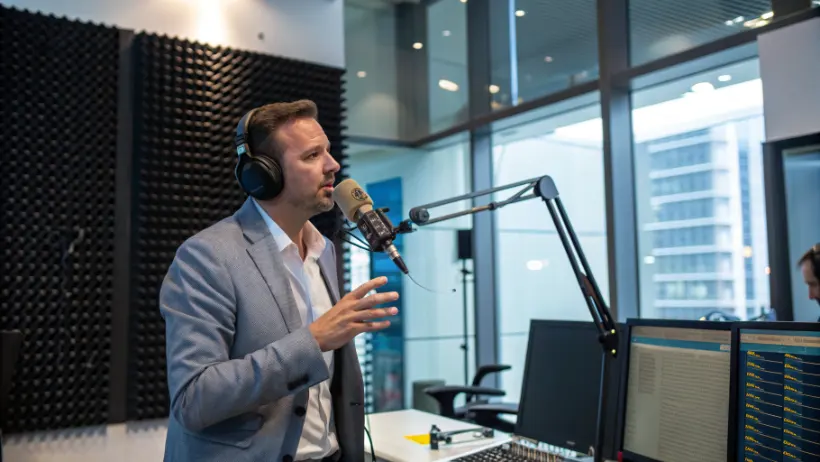
Cheshire FM and Community Broadcasting in the UK
In the UK, stations that do community radio have to show that they help society and the community in order to keep their licenses. These stations have to show how they help specific interest or geographical groups. Often, charity work and structures that don't make money are at the heart of this. This is shown by Cheshire FM, which makes sure that its programming shows the variety of people who listen to it and that there are ways for the community to get involved. The station's dedication to training volunteers and giving under-represented views exposure is a great example of what makes community radio different from commercial radio.
| Type of Station | Ownership Structure | Content Focus | Model of Revenue |
|---|---|---|---|
| Community Radio | Not-for-profit, run by volunteers | Extremely local, social gain | Grants, gifts, and limited promotion |
| Commercial | Private ownership in the area | Entertainment and local news | Advertising income |
| BBC Local | Public service channel housed in institutions | News, speech and music | Funded by licence fees |
This table shows how Cheshire FM fits into the bigger picture of UK radio. Each type is good for different things, but local stations are great at getting to know their listeners on a personal level. Community stations make decisions about what to play based on what their listeners say instead of just what's best for business. This lets them play more experimental and niche material that might not be played elsewhere.
Why Cheshire FM Is Considered a Best Radio Station Locally
The best radio station is different for each audience, but some things that always make a difference are the quality of the shows, the personalities of the hosts, and how well the station meets the needs of its listeners. Successful stations hire skilled hosts who know their listeners and can change the content based on how the community is changing. Listeners are also happy with the technical quality of broadcasts, such as having a strong signal and skilled production standards. For many people in Cheshire, the voices on 92.5 become trusted friends during their daily lives. This creates affection that goes beyond just being entertaining.
- Regular updates and a consistent programming plan that fans can count on for their favourite shows
- Local news that keeps listeners up to date on traffic, events, and new changes in the broadcast area
- Interactive elements like phone-ins, contests, and social media interactions that encourage listeners to take part
- A mix of well-known hits and new finds in the music, taking into account what the crowd wants
- Participation in the community through outside broadcasts, charity relationships, and event support
- Technical dependability with good signal spread and few breaks in the broadcast
- Presenter authenticity means that on-air people really connect with listeners through material that they can relate to
When you put these things together, you get a service that people trust and value. When a local radio station regularly does these things, it becomes a part of the community and earns its place by showing every day that it is relevant and of high quality.
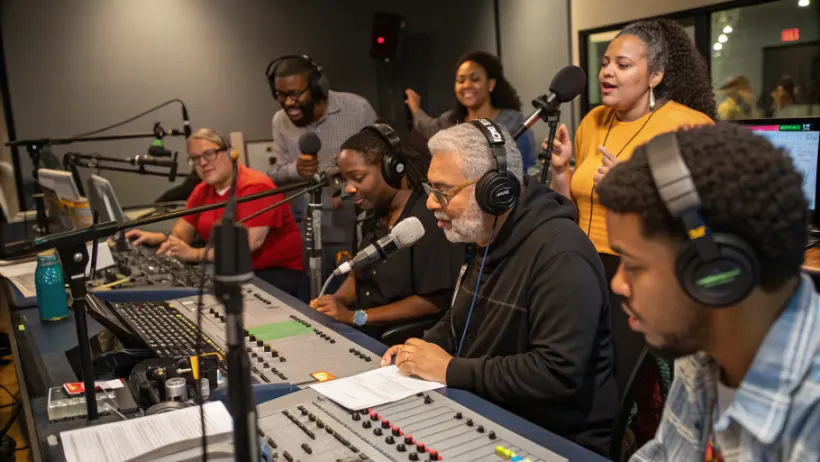
How to Start a Radio Station in the UK Inspired by Cheshire FM
To start a radio station in the UK, you must first learn how the license process works, which is handled by Ofcom. People who want to start their own radio station have to decide between commercial licenses and community radio licenses. For community radio licenses, applicants must show that the station will help people. In order to apply, you have to write thorough proposals about the program, the people you want to reach, the technology requirements, and how the program will make money. If you want to know how to start a radio station UK style, looking into popular stations like Cheshire FM can help you understand what the community wants and how to make your business work.
| Launch Phase | Important Tasks | Typical Planning Length |
|---|---|---|
| Planning | Market study, community consultation, and business planning | 3 to 6 months |
| Getting licenses | Ofcom application, technical specs, and compliance paperwork | 6 to 12 months |
| Setup | Building the studio, buying tools, and hiring staff | 3 to 6 months |
| Testing | Test broadcasts, teaching, and making systems better | 1 to 2 months |
| Launch | Marketing effort, get people involved, and start official broadcasting | 1 to 3 months |
"To start a radio station, you need to know a lot about technology, know your community, and be devoted to serving your listeners at all times. Instead of thinking they know best, the most popular stations start by asking the people in their area what they need."
The process from idea to broadcasting requires a lot of work and dedication. Planning your finances means thinking about how much the tools will cost to buy, how much it will cost to run (like licence fees), and how much money you might be able to make. A lot of community radio stations get their money from grants, local businesses that sponsor them, and fundraising events. This helps them keep going and make sure that everyone can listen to their material.
How to Make a Radio Station From Studio Setup to Live Broadcast
To build a radio station, you have to carefully choose streaming equipment that strikes a balance between quality and cost. Microphones, mixing desks, audio processors, playout systems, and transmission gear are some of the most important parts. More and more, modern stations use computer-based automation tools that let them plan programs and run from afar. It's not enough to know how to make a radio station; you also need to know how to set up processes that make sure everything runs smoothly during live programs and pre-recorded shows.
The way a studio is built has a big effect on the quality of broadcasts and how well it runs. Acoustic treatment gets rid of annoying noises and outside noise, and ergonomic furniture plans make it easy for hosts to work during long shows. Having separate areas for production, live streaming, and management helps keep things professional. Stations like Cheshire FM usually start out small and slowly add more facilities as money allows. The key is to focus on the basics first, like having solid mics and the ability to mix, before spending money on extra gear that makes basic tasks easier.
To make interesting radio content, you need to know your audience's trends and preferences while also keeping things interesting so that things don't get boring. Stations that do well make schedule plans that give popular shows regular timeslots while still leaving room for special broadcasts. To keep their music fresh, music libraries need to carefully choose which songs to keep up with changing tastes, make sure they follow the law by getting the right licenses from PPL and PRS, and have systems for rotating the music. Well-planned talk topics include guest study, question frameworks, and backup topics in case something comes up that you need to talk about.
"The magic of radio lies in its intimacy—a single voice speaking directly to one listener at a time, creating a personal connection that makes the medium uniquely powerful even in our digital age."
Long-term radio success rests on getting listeners to be loyal and care about the station's survival. For this to happen, you need to be active on social media, attend community events, and respond quickly when people give you feedback. Stations that do well see their listeners as active participants in the programming process, not just viewers. Surveys and community talks held on a regular basis help make sure that content changes to meet the needs of listeners as they change. The bond between Cheshire FM and its listeners shows how true local focus and mutual respect can make a radio business last beyond the initial excitement.
Starting and running a radio station is a big job that requires technical know-how, following the rules, making unique programs, and getting involved in the community. Aspiring broadcasters who want to add their views to the rich tapestry of UK local radio will benefit from learning about the roots that established stations have used. This is true whether they are looking for community radio licenses or business projects.
Frequently Asked Questions
What is a local radio station?
A local radio station broadcasts content specifically tailored to a particular geographic area, focusing on local news, weather, traffic, events, and community interests rather than national programming. These stations are regulated by Ofcom in the UK and must demonstrate community engagement and locally relevant content to maintain their broadcasting licenses.
How do I start a radio station in the UK?
To start a radio station in the UK, you must apply for a license through Ofcom, choosing between commercial or community radio licenses. The process involves submitting detailed proposals about programming, target audience, technical requirements, and revenue models. The entire process typically takes 12-24 months from planning through licensing, studio setup, testing, and official launch.
What makes Cheshire FM different from other radio stations?
Cheshire FM operates as a community radio station on 92.5 FM, prioritizing local voices and issues specific to the Cheshire area. The station promotes community events, supports local businesses, and provides a platform for neighbourhood involvement. Its non-profit structure and volunteer-based operation ensure programming reflects diverse listener perspectives rather than purely commercial interests.
What equipment do I need to make a radio station?
Essential equipment for a radio station includes microphones, mixing desks, audio processors, playout systems, and transmission gear. Modern stations also use computer-based automation tools for program scheduling and remote operation. Additional requirements include acoustic treatment for the studio, cooling systems for equipment, backup systems for continuous operation, and proper licensing for music播play from PPL and PRS.
How is community radio different from commercial radio?
Community radio stations operate as non-profit organizations run by volunteers, focusing on social benefit and extremely local content. They receive funding through grants, donations, and limited advertising rather than commercial advertising revenue. Community stations must demonstrate social value and community engagement to maintain their licenses, whereas commercial stations operate for profit with content decisions driven primarily by business considerations.